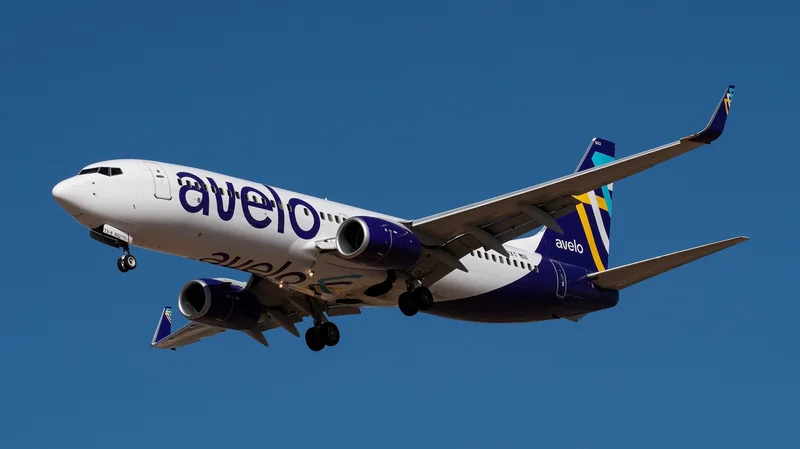
The FAA's impending flight cuts at major Florida airports like Orlando (MCO) and Tampa (TPA) have sent ripples through the state's aviation industry. The order, triggered by the ongoing federal government shutdown, mandates a 10% reduction in flights at 40 major airports. For budget carrier Avelo Airlines, this presents both a challenge and a potential opportunity, specifically for Lakeland Linder International Airport.
Lakeland Linder, while smaller, possesses a crucial advantage: its air traffic control tower is staffed by RVA Robinson Aviation, operating under an FAA contract unaffected by the shutdown. This contrasts sharply with Orlando and Tampa, where federal employees may be impacted. The stability of Lakeland's air traffic control (ATC) operations provides a reliable base for potential flight increases. The question is, how much of an increase can we realistically expect?
Hallstrand's statement about "making ourselves available as an alternative airport" sounds proactive, but let's dissect it. Avelo currently serves eight destinations from Lakeland. None of those destinations are on the list of 40 airports facing flight reductions. This suggests any increased activity at Lakeland would be about re-routing flights, not expanding routes.
However, the situation isn't entirely rosy. Lakeland's TSA officers, while praised for their dedication, are operating without pay, as they are managed out of Tampa International Airport. While their professionalism is commendable, sustained operation under such conditions raises concerns. How long can this continue before impacting security protocols or morale? The airport director's optimism is appreciated, but a prolonged shutdown introduces significant risk.
And this is the part of the report that I find genuinely puzzling. The TSA officers have not been paid since Oct. 1. We are now in November. What is the breaking point?
The real constraint on Lakeland's capacity isn't runway space or air traffic control; it's the TSA. Even with dedicated personnel, unpaid labor is unsustainable. Avelo can't realistically shift a significant number of flights to Lakeland if the TSA is stretched thin.
The FAA's 10% reduction at Orlando and Tampa is significant. But let's quantify the potential impact. If Avelo operates, say, 20 flights daily from Orlando, a 10% cut translates to two flights. Shifting those two flights to Lakeland might be feasible, but it's hardly a game-changer. The claim that Lakeland could become a major "escape hatch" seems overstated (a classic case of airport boosterism, perhaps?).
The article notes that exact details on the potential impact on Lakeland were unavailable as of Nov. 6. This lack of specifics is telling. If a substantial shift in flights were imminent, wouldn't the airport have projections? The silence speaks volumes.
The article paints a picture of Lakeland Linder as a potential beneficiary of the FAA's flight cuts. But digging deeper reveals a more nuanced reality. While the stable air traffic control is an advantage, the unpaid TSA workforce represents a critical vulnerability. Avelo might shift a few flights, but Lakeland isn't about to become a major alternative hub. The numbers simply don't support the hype.