Okay, folks, buckle up. I know, I know, the headlines are screaming about the Nasdaq's seven-month winning streak snapping like a twig on Black Friday. Losses, volatility, oh my! But let’s zoom out for a second, shall we? Let’s look past the immediate market jitters and focus on the real story brewing beneath the surface: the unstoppable, tidal wave of AI innovation.
AI's "Pause" is Just the Slingshot Pulling Back
The AI Revolution Isn't Cancelled, Just Delayed
So, the Nasdaq took a hit, down nearly 2% for the month. The S&P 500 wasn't far behind, shedding 0.6%. The Dow? Well, it mostly just shrugged. Some are saying it's a sign that the AI bubble is bursting, that investors are finally realizing that hype doesn't always translate into instant profits.
Stock market today: S&P 500, Dow rise to end a rocky month, Nasdaq snaps 7-month win streak
But here's the thing: revolutions aren't linear. They don't move in straight lines. They surge, they stall, they even backtrack a little. Think of the early days of the internet. Remember the dot-com crash? People declared the internet a fad, a failure. And then what happened? Amazon happened. Google happened. The entire world transformed.
This is the same story, just a different verse. What we're seeing now isn't the death of AI, it's just a brief pause, a moment for the market to catch its breath and recalibrate. It’s like a slingshot being pulled back before it launches the projectile even further.
And honestly, this "pause" might be exactly what we need. A little bit of skepticism, a little bit of caution, can be healthy. It forces companies to focus on real value, on building sustainable businesses, instead of just chasing the latest buzzword. Remember Nvidia, on track to close out the month with losses? Well, sometimes a step back is needed to leap forward.
What’s the real long-term play here, though? How will AI truly reshape things? This is the kind of breakthrough that reminds me why I got into this field in the first place. I believe AI will not just automate tasks, but augment human capabilities in ways we can barely imagine today. Imagine personalized medicine tailored to your unique genetic makeup, powered by AI algorithms. Imagine education systems that adapt to each student's individual learning style. Imagine cities optimized for sustainability and efficiency, managed by intelligent AI networks.
Deutsche Bank is even projecting the S&P 500 to reach 8,000 by the end of 2026. That’s an ambitious target, sure, but it reflects the underlying belief that AI will drive significant economic growth in the years to come.
There’s something else to consider. The market rebounded sharply this week based on anticipation that the Federal Reserve will cut interest rates in December. Now, why is that important? Because lower interest rates mean easier access to capital, which fuels innovation and investment in high-growth sectors like AI. It's a virtuous cycle, and it's just getting started.
Of course, with great power comes great responsibility. We need to ensure that AI is developed and deployed ethically, with safeguards in place to prevent bias, discrimination, and misuse. The potential is enormous, but so are the risks. We need to have these conversations now, before it's too late. But here's the million-dollar question: How do we ensure equitable access to this technology? How do we prevent the AI revolution from exacerbating existing inequalities?
I saw an interesting comment on a tech forum the other day: "AI is like electricity. It's going to power everything." And that's exactly right. It's not just about self-driving cars or chatbots. It's about transforming every aspect of our lives, from healthcare to education to energy.
Black Friday's AI Boost: A Glimpse into the Cognitive Economy
Black Friday Bargains and Bitcoin Bumps
Even Black Friday itself offered a glimpse of the future. Adobe analysts are estimating consumers will spend $253 billion this holiday season, and they're doing much of their shopping online. E-commerce giants like Amazon, Target, and Walmart all saw gains on Black Friday. And what's powering that online shopping experience? You guessed it: AI algorithms that personalize recommendations, optimize pricing, and streamline logistics.
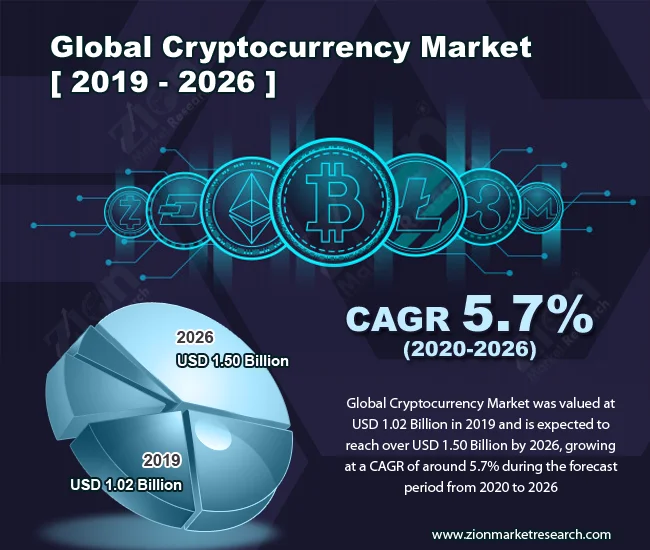
And let's not forget about Bitcoin, which steadied near $91,000. While it was off roughly 19% for the month, its continued presence signals a broader shift towards digital assets and decentralized technologies, trends that are often intertwined with AI innovation. Michele Schneider, chief strategist at Marketgauge.com, points to the "tremendous deficit" and "tremendous amount of government spending" as factors supporting alternative assets like gold, which also saw gains.
Earlier in the day, the Chicago Mercantile Exchange (CME) experienced an outage that disrupted trading in futures and options. While concerning, the CME quickly restored operations, demonstrating the resilience of our financial infrastructure. It's a reminder that even in a world increasingly driven by algorithms, human expertise and intervention are still essential.
The Dawn of the Cognitive Age
It wasn't a market hiccup, it was simply a deep breath before the plunge.