So, some new crypto project, Zenrock, just bolted Zcash's privacy features onto Solana's DeFi machine, and the tech world is supposed to be impressed. They’ve moved about $15 million in their "zenZEC" token since Halloween. Fifteen million. In an industry where meme coins do ten times that amount before lunch, we’re being told this is "pivotal."
Give me a break.
The number itself is a joke, a rounding error in the grand casino of crypto. But the narrative they’re spinning around it? That’s where the real action is. They’re selling us a story about restoring the soul of crypto, about bringing back the sacred tenet of privacy that was supposedly "sacrificed" when the Wall Street guys showed up with their briefcases full of stablecoins. It’s a nice story. Almost makes you want to believe.
But I’ve been around this block too many times. Every time a new project rolls out the red carpet, they talk about "ethos" and "principles." What they're really talking about is a new way to get you to buy their bag. And this one has all the classic signs.
Let’s talk about the tech for a second. They call it a "decentralized multi-party computation (MPC) network." It’s a mouthful, designed to sound impenetrably complex and, therefore, secure. The pitch is simple: they take the private key—the keys to the kingdom—and chop it into a dozen little pieces. These pieces get handed out to a network of nodes run by "independent third parties."
This is their big magic trick. The private key never exists in one place, so no single person can get hacked or run off with the money. It’s like tearing up a treasure map and giving the scraps to a bunch of strangers you hope are trustworthy. What could possibly go wrong? Who exactly are these "independent" parties? The fact sheet is conveniently silent on that little detail, but I’ve got a few guesses. Are they VCs who funded the project? Are they other protocols with a vested interest in its success? How do we know this decentralized network isn't just a group chat of buddies patting each other on the back?
This is a classic crypto shell game. No, 'shell game' doesn't quite cover it—this is a masterclass in illusion. It creates the feeling of security without ever forcing you to ask the hard questions about who’s really pulling the strings. They’re selling decentralization, but if you scratch the surface, you’ll probably find the same old power brokers calling the shots.
Here’s the part that really gets under my skin. In a piece titled Zcash Privacy Meets Solana DeFi with Zenrock’s Wrapped ZEC Crossing $15M in Volume, Zenrock's co-founder, Aditya Dave, says, "Privacy is so core to the ethos of crypto." He’s right. It was. Then he says it was "sacrificed" when "tradfi" came in. That’s a neat way of putting it. It wasn't sacrificed; it was sold, piece by piece, for mainstream acceptance and institutional cash.
Now, they’re trying to sell it back to us as a premium feature. Privacy isn't the default anymore; it’s an add-on, a special token you can trade on the fastest, most transparent blockchain out there. The irony is so thick you could cut it with a knife. Bringing a privacy coin to Solana is like setting up a secret confessional booth in the middle of Times Square. Sure, the booth is soundproof, but everyone can see you walking in and out. What’s the point?
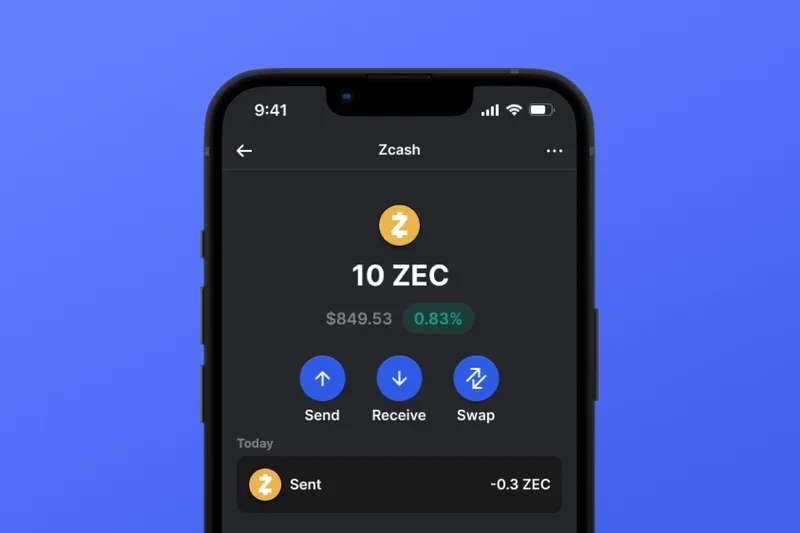
And let’s not ignore the elephant in the room: ZEC, the underlying asset, is up 16-fold since September. A complete and total coincidence, I’m sure. This new project, which just so happens to create a brand-new use case and a wave of demand for ZEC, has nothing to do with that meteoric price pump. Offcourse not. It's all for the principle of the thing.
They're dangling DeFi yields and collateral options in front of Zcash holders, a community that’s been on the sidelines for seven years. It ain’t about ethos; it’s about creating exit liquidity. It’s about giving old money a new story to tell. And people will fall for it, because the promise of getting rich will always be louder than the quiet need for privacy, and honestly...
Maybe I'm just a cynic. Maybe this really is the beginning of a new chapter where privacy and high-speed finance can coexist. But when I see a project wrapping a principle in a token and marketing it as the next big thing, I don't see a revolution. I see a product launch. They’ve taken something that should be a fundamental right in a digital world and turned it into another speculative asset. It’s a clever move, I’ll give them that. But don’t you dare call it a crusade for crypto's soul. It's just business as usual.