Denny's, the all-American diner chain, is set to go private in a $620 million deal. That's the headline, anyway. The reality, as always, is a bit more nuanced. A group of investors, including Yadav Enterprises (a major Denny's franchisee) and TriArtisan Capital Advisors (who own TGI Friday's and P.F. Chang's), are taking the company off the Nasdaq. Stockholders get $6.25 per share, and Denny's gets to escape the quarterly earnings grind. The deal is expected to close in early 2026, pending the usual approvals.
Let’s dig into that $620 million valuation. It represents a 52.1% premium over Denny's market value on November 3rd. Sounds impressive, right? But let's look at the trend before the deal. Prior to the announcement, Denny's stock had lost about a third of its value during 2025. So, while stockholders are getting a premium now, they're also recouping losses from a pretty rough year. Was this deal a rescue package disguised as an acquisition? It certainly smells a bit like one.
Denny's has been publicly traded since 1968. Going private offers some significant advantages. Less regulatory scrutiny, for one. And, crucially, freedom from Wall Street's short-term demands. Kelli Valade, Denny's CEO, is quoted as saying the deal delivers "significant, near-term and certain cash value to our stockholders.” I read that as, "We need to get out of this mess before it gets worse." The company has been struggling to compete, closing over 180 restaurants since late 2024. That’s a significant contraction.
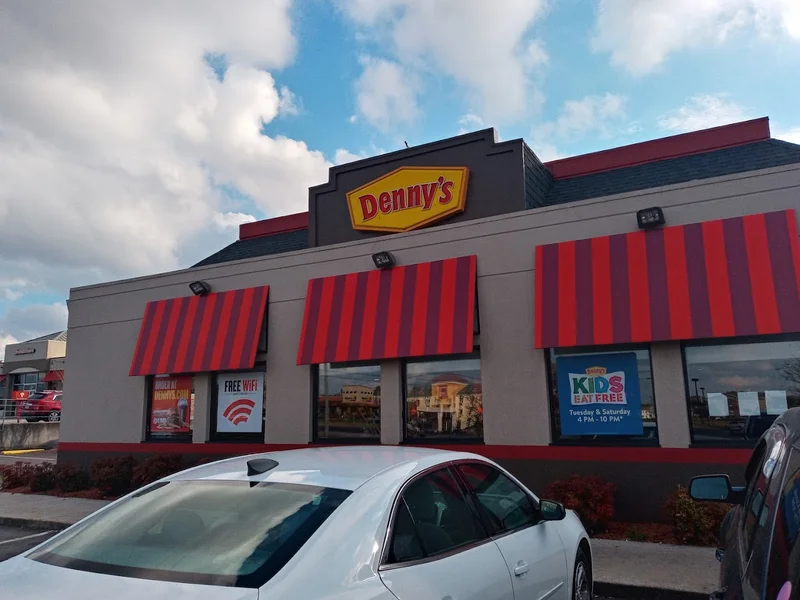
This downsizing is the real story here. In March 2025, Robert Verostek, Denny's CFO, announced the closure of 70 to 90 restaurants in 2025. That's on top of 88 closures in 2024. The numbers paint a clear picture: Denny's is shrinking. The acquisition isn't about growth; it's about survival. And this is the part of the report that I find genuinely puzzling. TriArtisan Capital Advisors are also invested in TGI Friday’s, another chain struggling to stay relevant. What’s their plan here? Do they think they can apply the same turnaround strategy to both brands? Or is this simply a play to acquire real estate assets on the cheap?
One crucial question is: how much of that $620 million is debt assumption? The Spartanburg-based article mentions that the deal includes the company's debt, but doesn't specify the amount. This detail is crucial because a high debt load could significantly impact the new ownership's ability to invest in improvements or new strategies. It's like buying a house with a leaky roof and a mountain of back taxes – the initial price might seem appealing, but the hidden costs can be crippling. For more details, read "Spartanburg-based Denny's is going private in $620 million deal. What to know."
Here's a thought leap. How reliable are these closure numbers? Are they strategically timed to make the company look like it's already hit rock bottom, thus justifying the acquisition price? It's a common tactic in corporate negotiations: paint the bleakest picture possible to drive down the valuation. I’m not saying Denny’s is doing that, but the timing is… convenient.
Ultimately, this deal isn't about Denny's suddenly becoming a hot growth stock. It's about a struggling diner chain finding a way to restructure outside the harsh glare of Wall Street. The new owners are betting they can turn things around, but the odds seem stacked against them. The restaurant industry is fiercely competitive, and Denny's has been losing ground for years. Can a change in ownership really make a difference? Or is this just a temporary reprieve before the inevitable – a slow fade into nostalgia?